
When a room feels dark and gloomy, it can affect your mood and how you use the space. Whether you’re dealing with limited natural light or heavy furniture and colors that absorb light, there are plenty of quick ideas you can try to brighten up a dark room. The goal is to create a warm, inviting atmosphere without a costly renovation. Here, we’ll explore practical tips involving light, color, mirrors, and décor that can refresh your space in no time.
1. Maximize Natural Light
Clear Your Windows
The first step in brightening a room is to let in as much natural light as possible. Remove heavy drapes or dark curtains and replace them with sheer or light-colored ones. If privacy is a concern, opt for semi-sheer fabrics that still offer coverage without blocking sunlight.
Keep Windows Clean
Sometimes, windows look dull simply because they are dirty. Clean windows allow more light in and can instantly make your room appear brighter. Make it a habit to wash windows inside and out every few months.
Use Reflective Window Treatments
Consider blinds or shades with a reflective backing. These can help bounce sunlight deeper into your room while reducing glare.
2. Choose Light, Neutral Colors
Paint Walls and Ceilings Light Shades
Walls and ceilings painted in light colors such as soft whites, creams, pale grays, or pastels reflect light better than dark hues. These colors can make a room feel larger and more open.
Opt for Light-Colored Flooring and Rugs
If you’re able to update flooring or add rugs, light-colored options help brighten the room. A light area rug can contrast darker floors and add softness and shine.
Use Bright or Colorful Accents
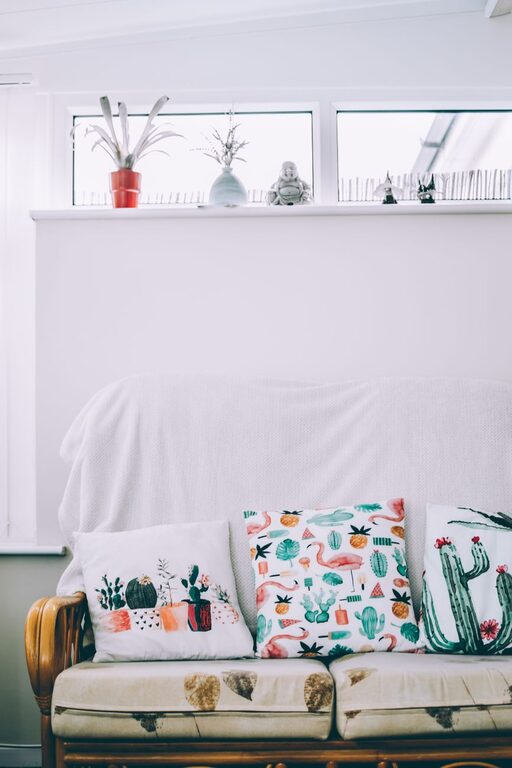
While keeping main surfaces light, add pops of brighter colors through pillows, throws, and art. This brings energy to the space without making it feel dark or heavy.
3. Add Multiple Layers of Lighting
Combine Ambient, Task, and Accent Lights
Relying on just one overhead light often isn’t enough to brighten a dark room. Use a combination of lighting types:
– Ambient lighting (ceiling fixtures or wall sconces) for overall brightness
– Task lighting (table lamps, floor lamps) for specific activities like reading
– Accent lighting (spotlights, LED strips) to highlight artwork or architectural features
Select Bulbs Wisely
Use bulbs with a high color temperature (around 3000K to 4000K), also known as “cool white” or “daylight,” which mimic natural light better than warm yellow bulbs. LED bulbs are energy-efficient and come in many brightness levels.
Use Mirrors Opposite Light Sources
Mirrors reflect both natural and artificial light. Placing a large mirror opposite a window or light source can double the perceived brightness. Choose mirrors with simple frames to avoid overwhelming the space.
4. Incorporate Reflective and Light-Enhancing Surfaces
Use Glass and Metallic Accents
Decor items and furniture with glass, chrome, or metallic finishes bounce light around the room. Consider glass coffee tables, metallic lamps, or mirror-backed shelves.
Opt for Light-Reflective Furniture
Furniture painted in white or light tones contributes to a lighter feel. Avoid bulky, dark pieces which absorb light and shrink the appearance of the space.
5. Declutter and Simplify
Clear Out Unnecessary Items
A crowded room can feel darker and more confined. Keep surfaces tidy and remove items that don’t belong. A clean, open space allows light to travel easily throughout the room.
Use Open Shelving
Open shelving instead of closed, dark cabinets feels lighter and more spacious. Display items neatly and avoid overcrowding the shelves.
6. Bring in Greenery and Natural Elements
Choose Light-Leafed Plants
Plants with bright green or variegated leaves add freshness and life without darkening the space. Place them near windows or light sources where they can thrive.
Use Planters and Pots in Light Colors
White or light-colored pots reflect light rather than absorbing it. This enhances the overall brightness of your décor.
7. Enhance Windows with Translucent Films or Sheers
Add Frosted or Patterned Films
If you want privacy without blocking light, consider applying translucent window films. They allow light to pass through while obscuring the view.
Layer Sheer Curtains
Layering sheer curtains adds texture and softness while keeping the room bright.
8. Think Outside the Box: Creative Quick Fixes
Hang Art with Light Colors or Metallic Frames
Art with bright colors or pieces framed in metal or light wood can help reflect light and add interest.
Use Light-Colored or Transparent Furniture
Acrylic chairs or glass tables take up less visual space and let light move freely through the room.
Place a Light-Colored Throw on Dark Furniture
If your couch or chairs are dark, a light throw or cushion can brighten their appearance.
—
Brightening a dark room doesn’t have to mean a big overhaul or spending a fortune. By focusing on increasing light sources, selecting lighter colors, using mirrors and reflective surfaces, and simplifying your space, you can transform any dark room into a cheerful and inviting area. Experiment with these ideas to find the best combination that suits your style and home layout. With a little effort, your dark room can become one of your favorite, well-lit spots!